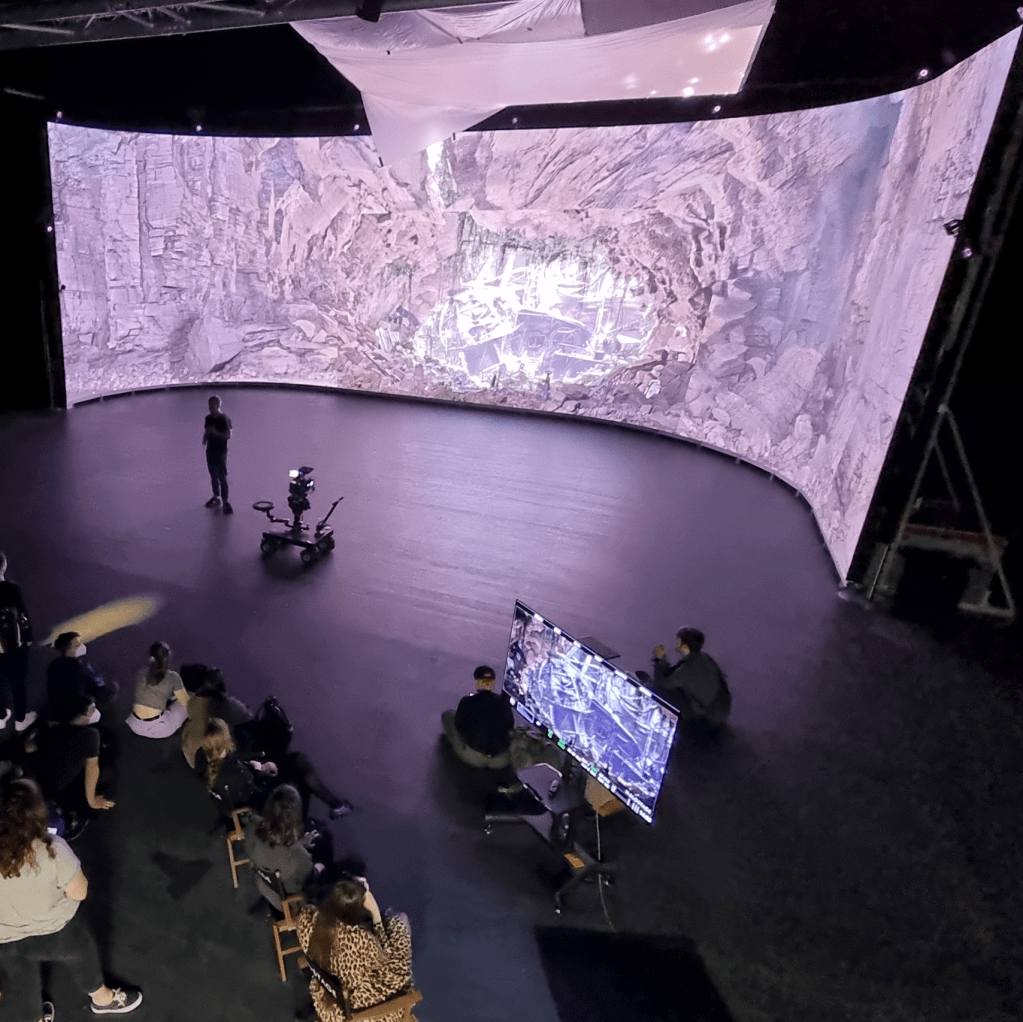
Oh the week I had! I’m tired but I’m happy. This is the reason why I am grateful to be a prof.
6 nationalities, 5 days, 4 company visits, 3 highlights on the agenda, 2 organizing professors and 1 mission: Explore immersive media in all its glory!

AR, VR, 360, MR — extended realities are here to stay and it is imperative for journalism students to (1) understand new storytelling techniques within spatial experiences, (2) observe what’s out there already, and (3) experiment with the medium themselves.
We started off with a few introductory online-sessions where we talked about the concepts of presence, storyliving and how to navigate attention. We discussed a few experiences by the Guardian, New York Times, WDR, Deutschlandradio Kultur and MDR.
Then we met on a Monday morning and continued our sessions with spatial and binaural audio — how it can enhance the experience.
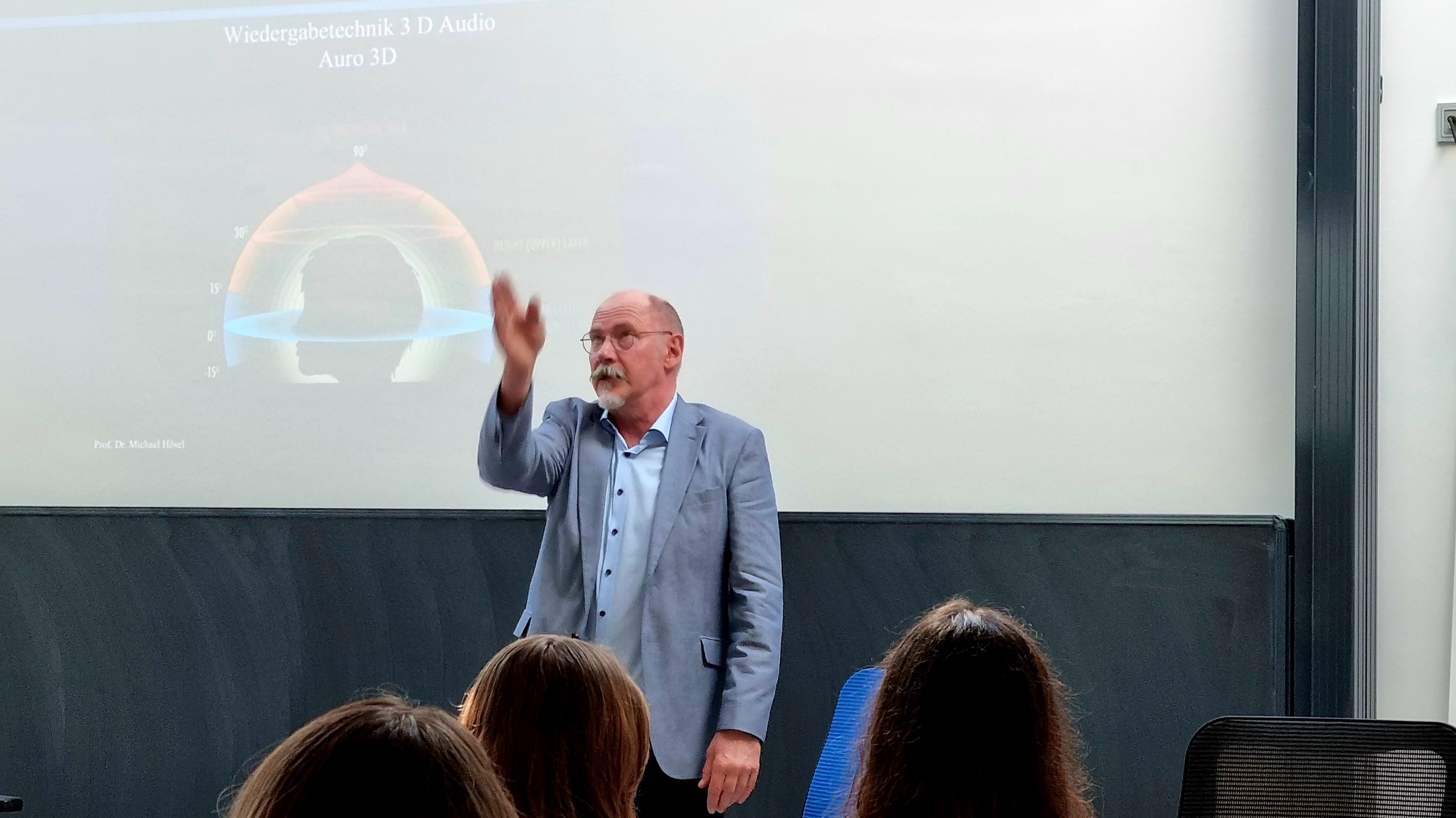
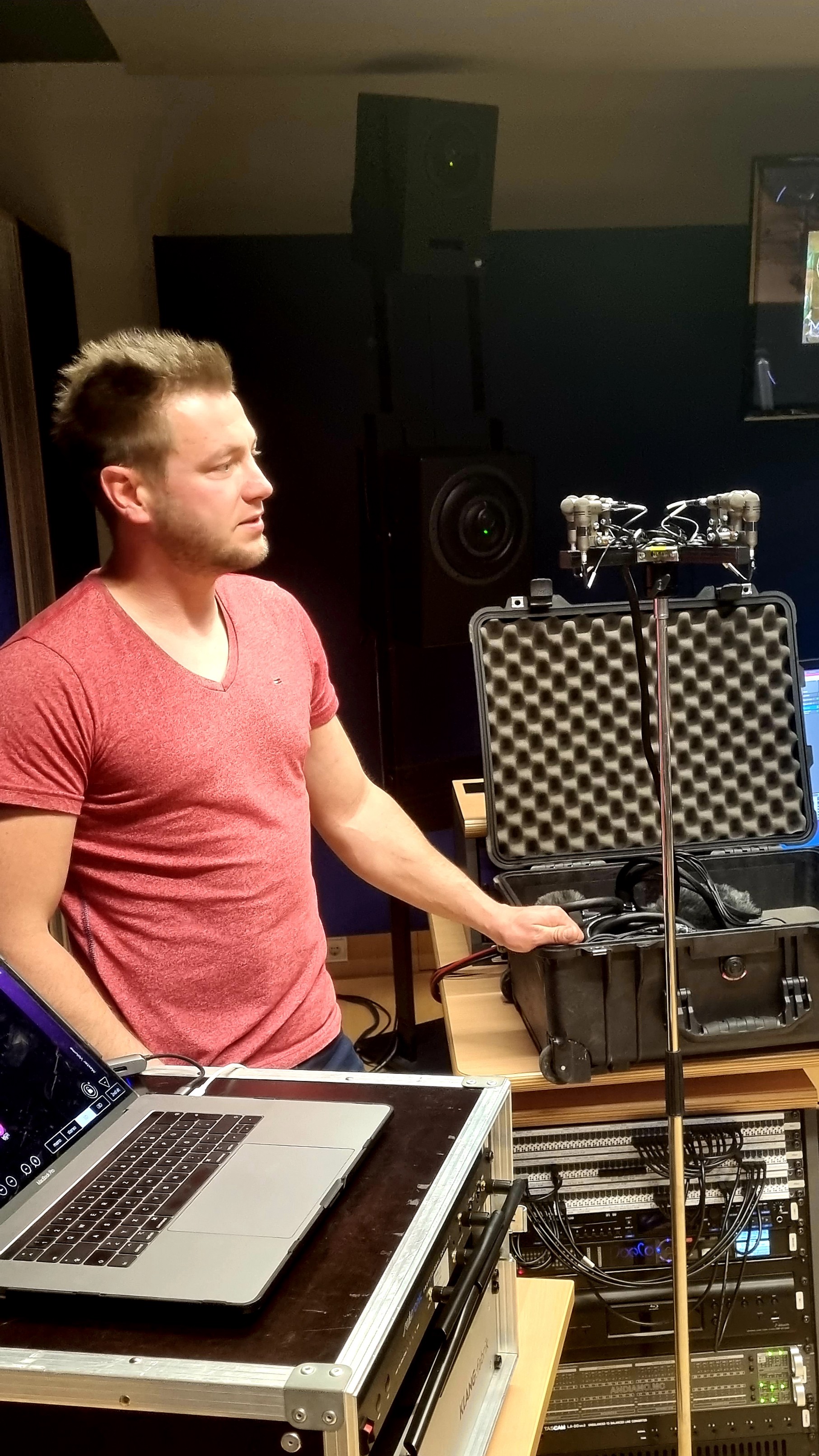
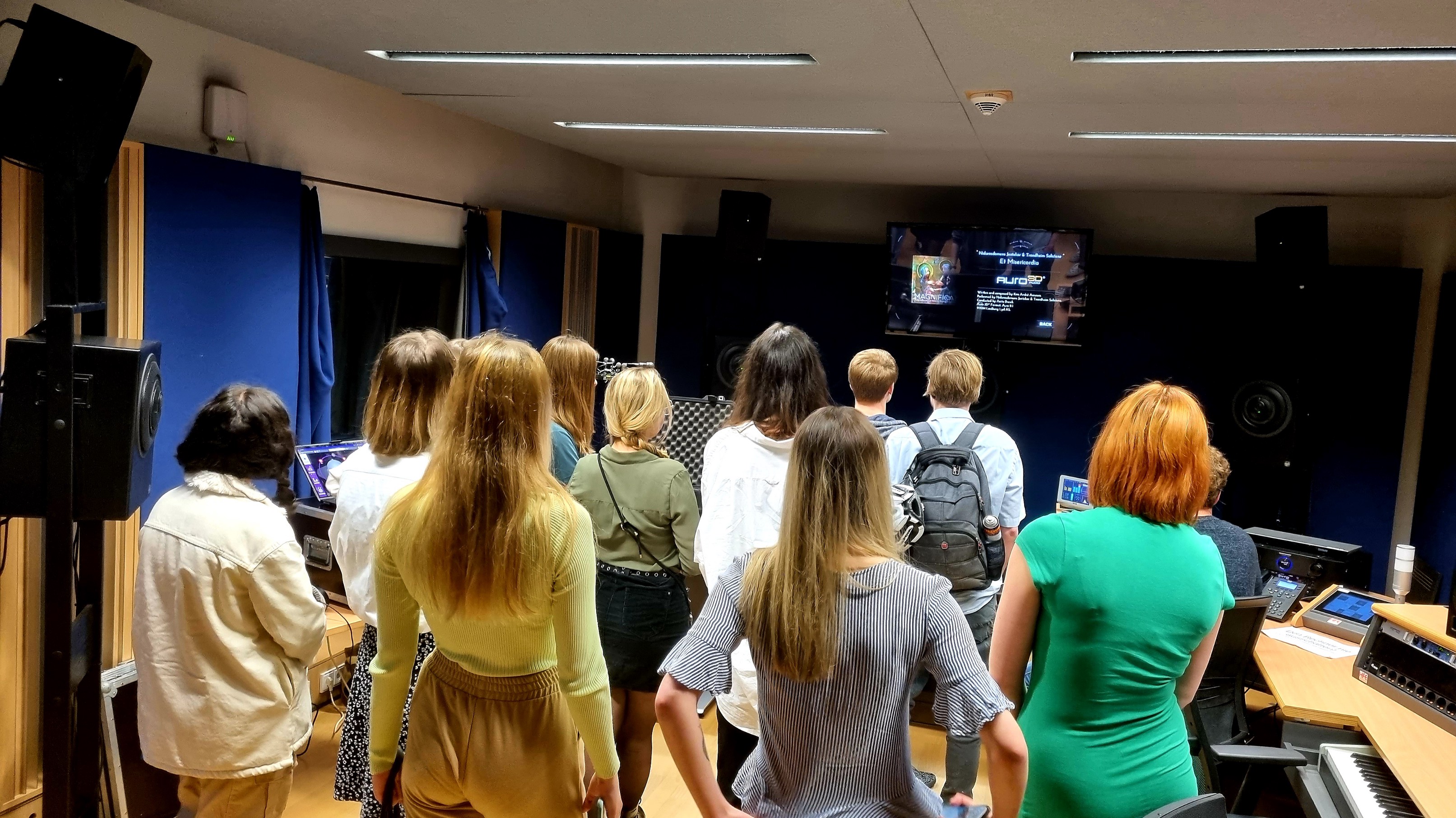
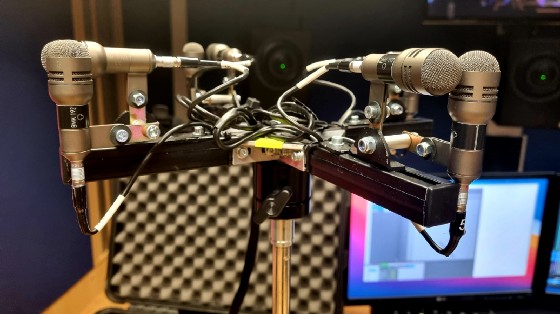
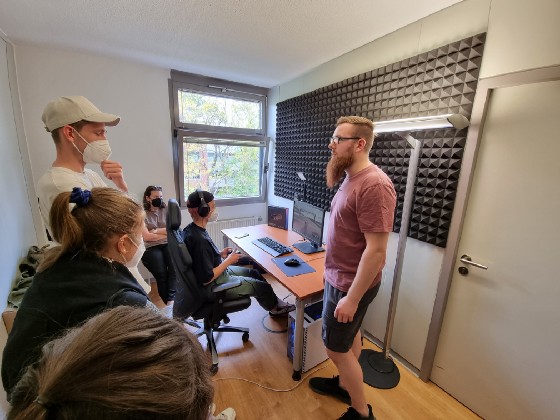
The cool thing is, our colleagues Hösel and Stingl (et al) actually work on their own 3D audio hardware, so we got to check out their latest research findings and listened to the specifics of 3D audio in our own studio at HS Mittweida.
Later on that day, we tried out more experiences, this time room-scale experiences like Home After War and Dani Levy’s impressive work in 360º. Being inspired opens you up for new ideas and allows you to think outside the box.
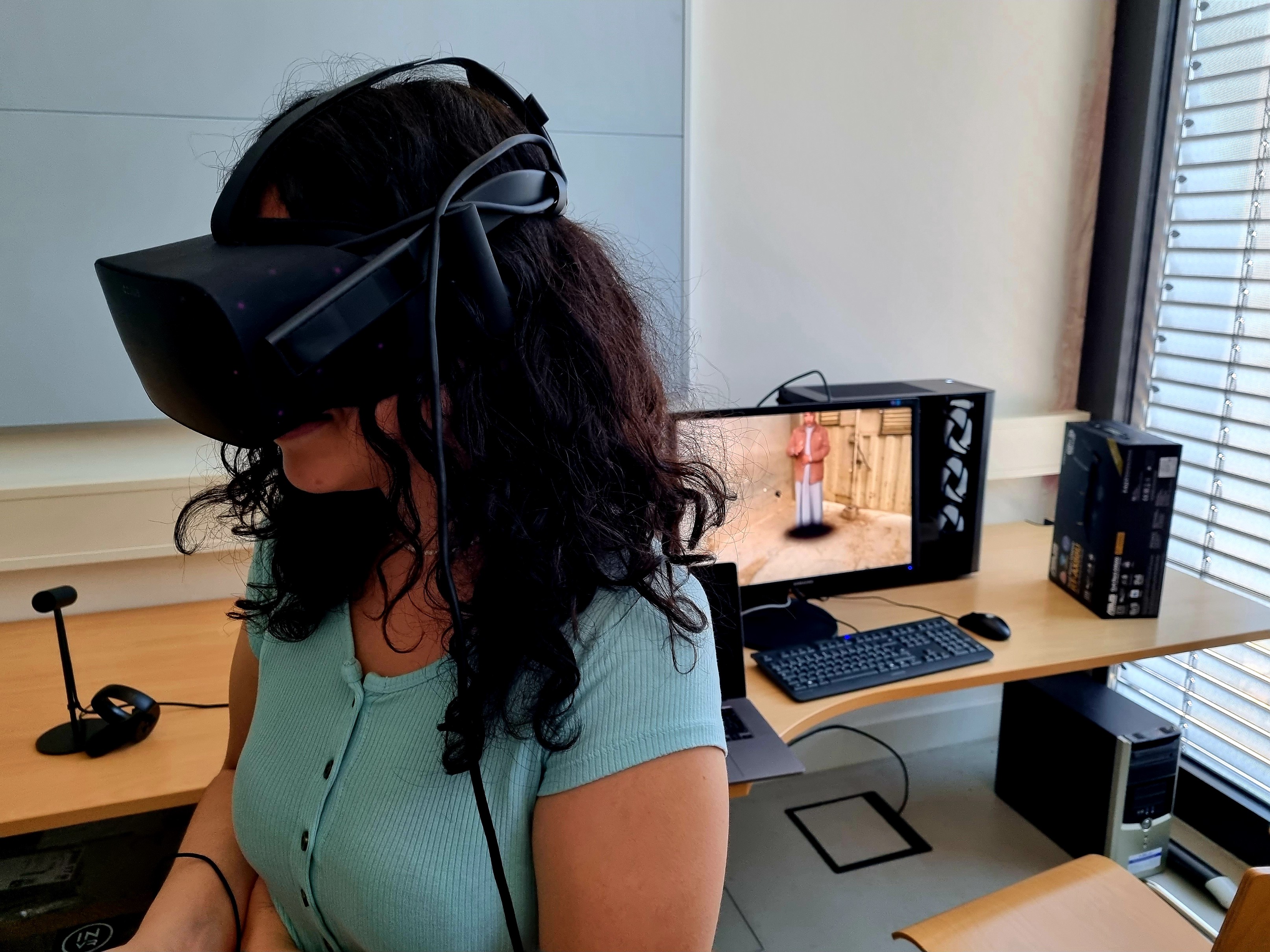

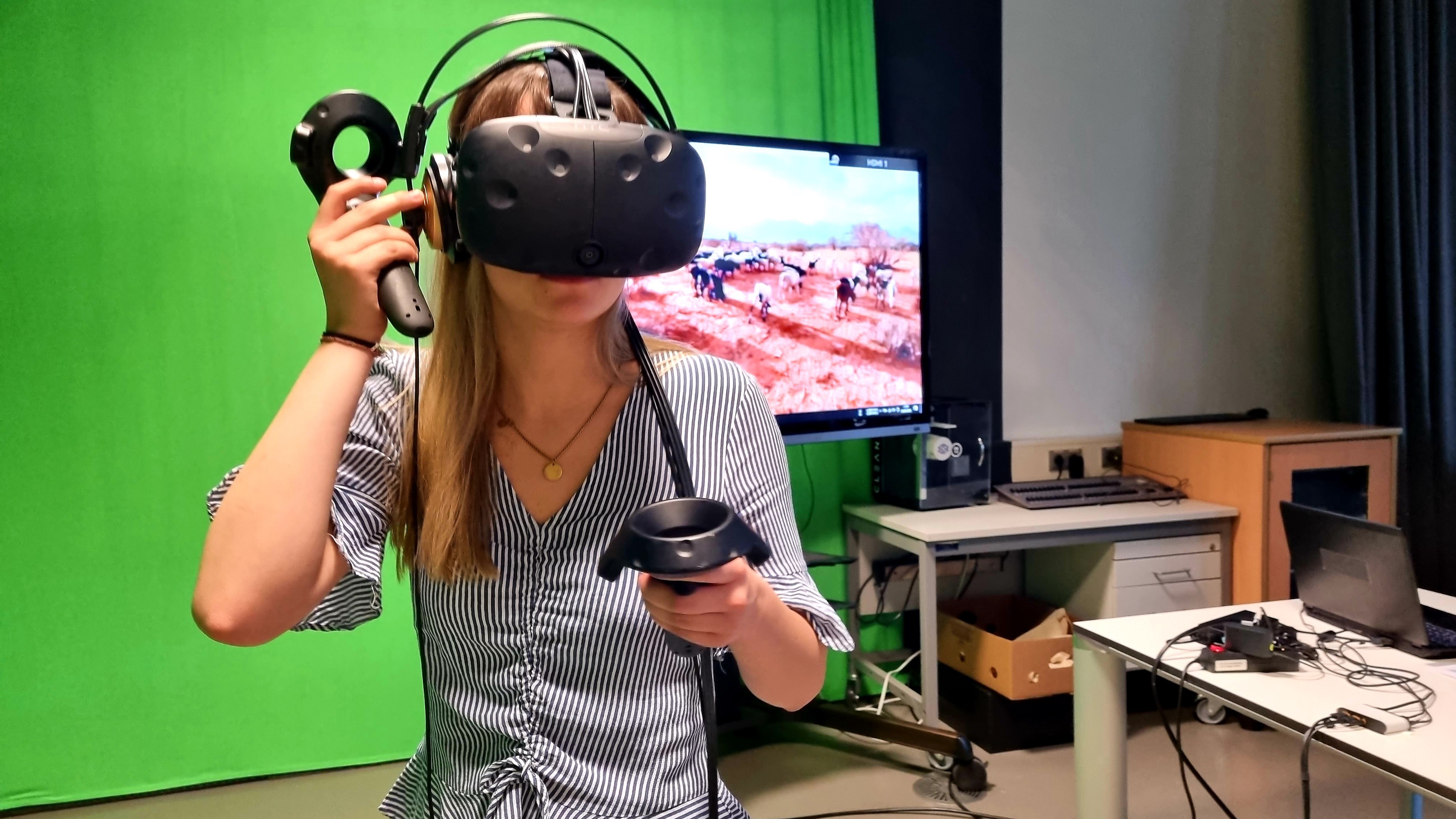
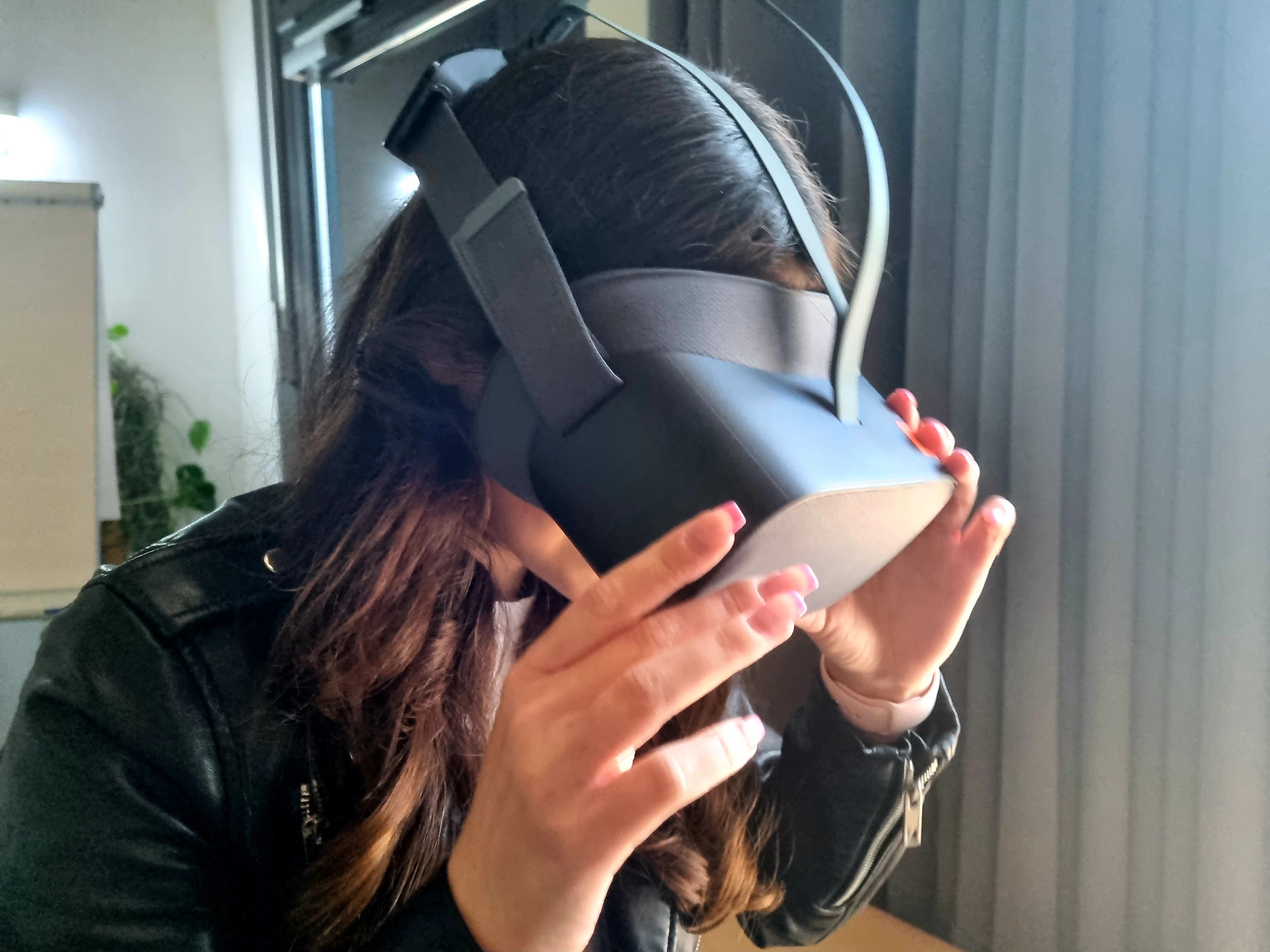
At the end of the first day, the students started thinking about their own projects. Rapid prototyping seems to be a great method to discuss 360º scenes in groups.
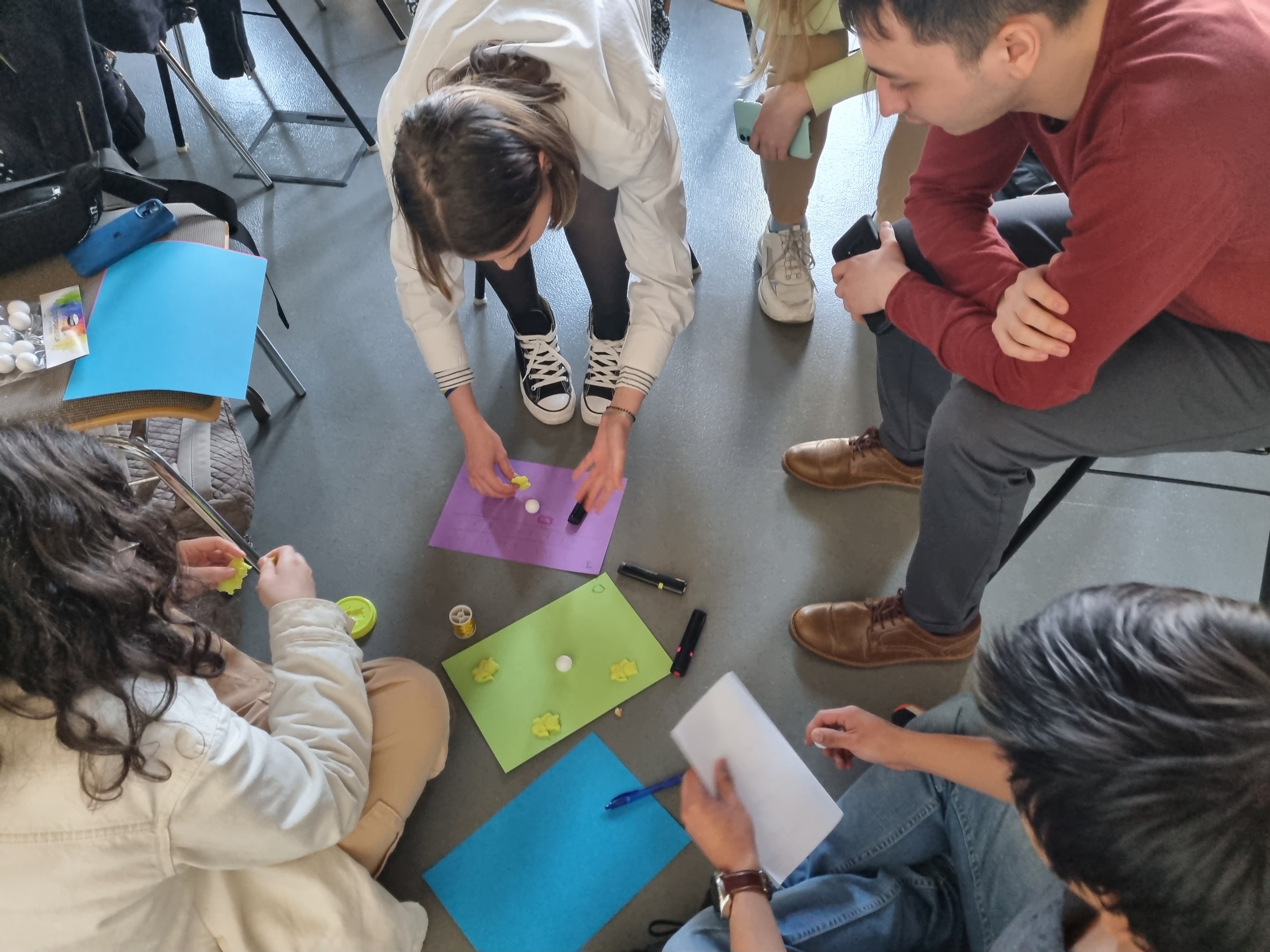
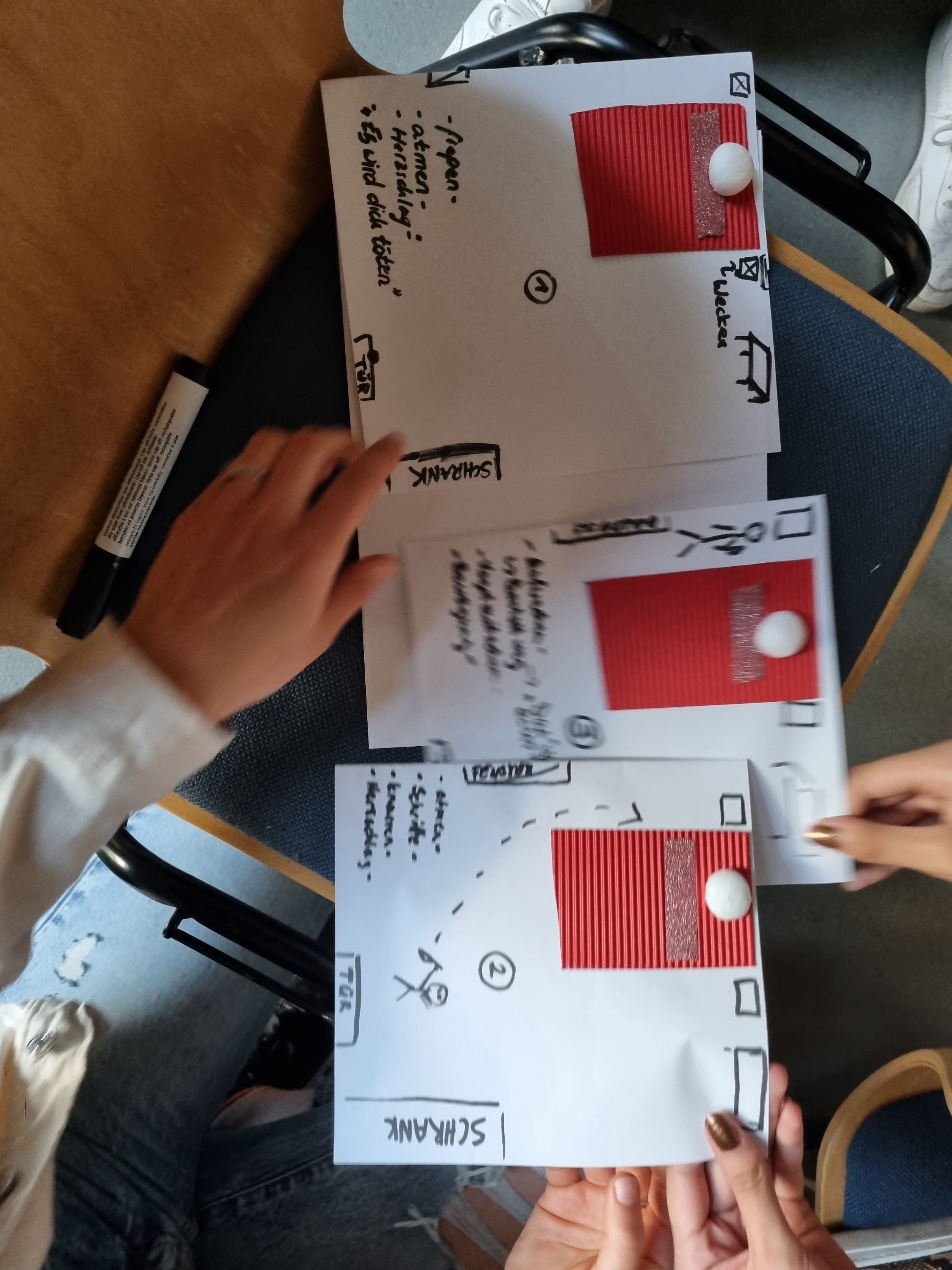
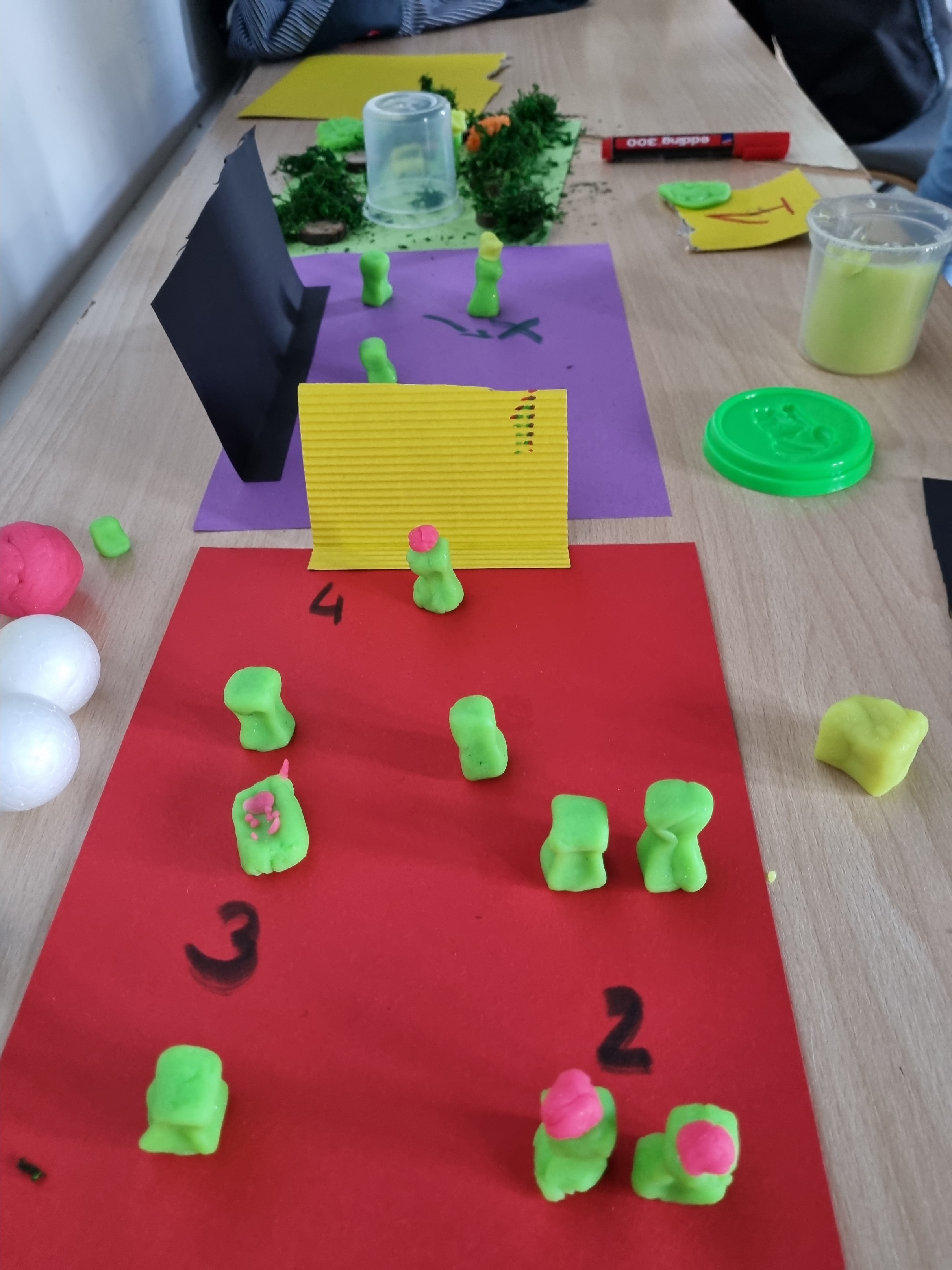
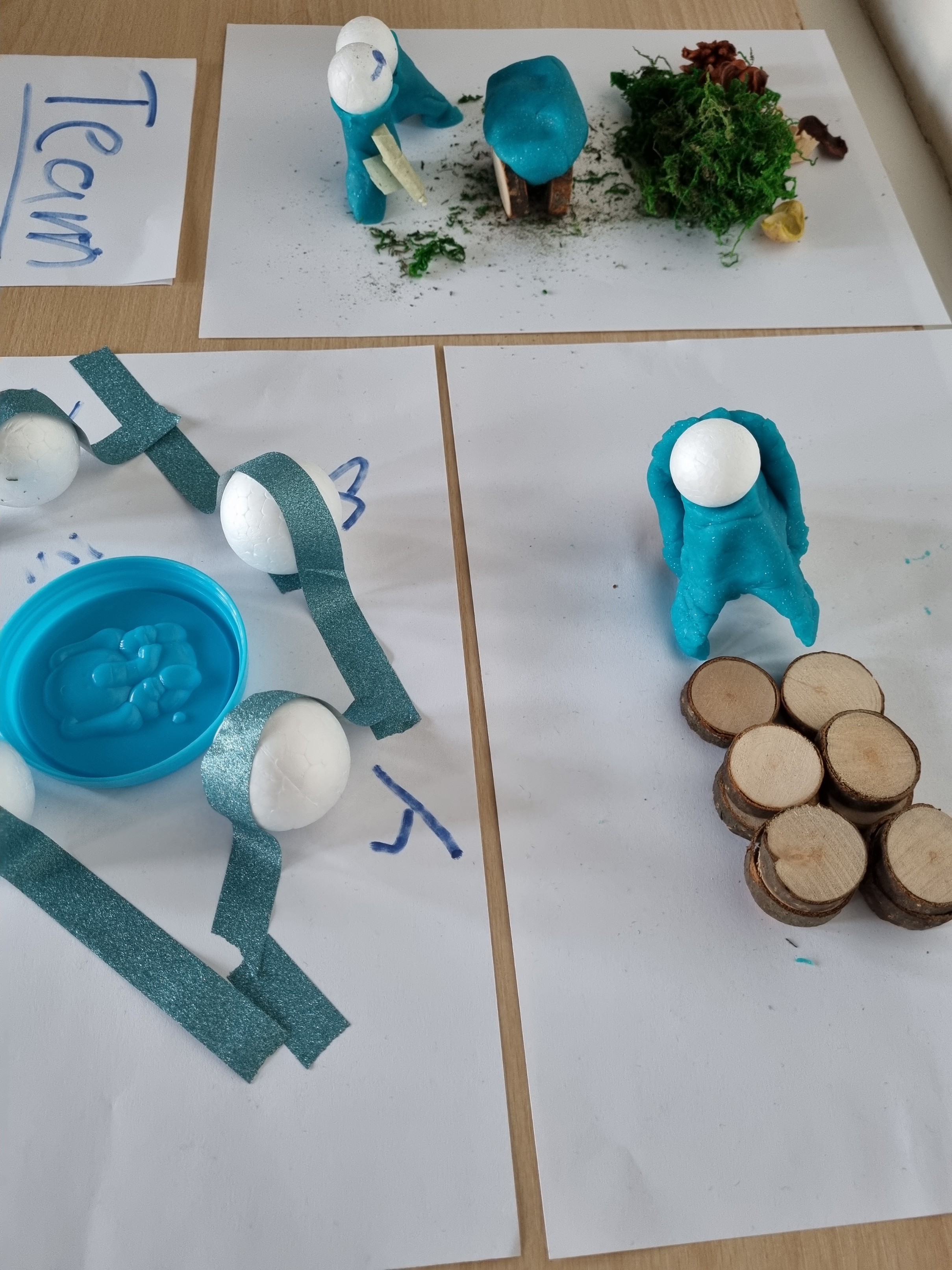
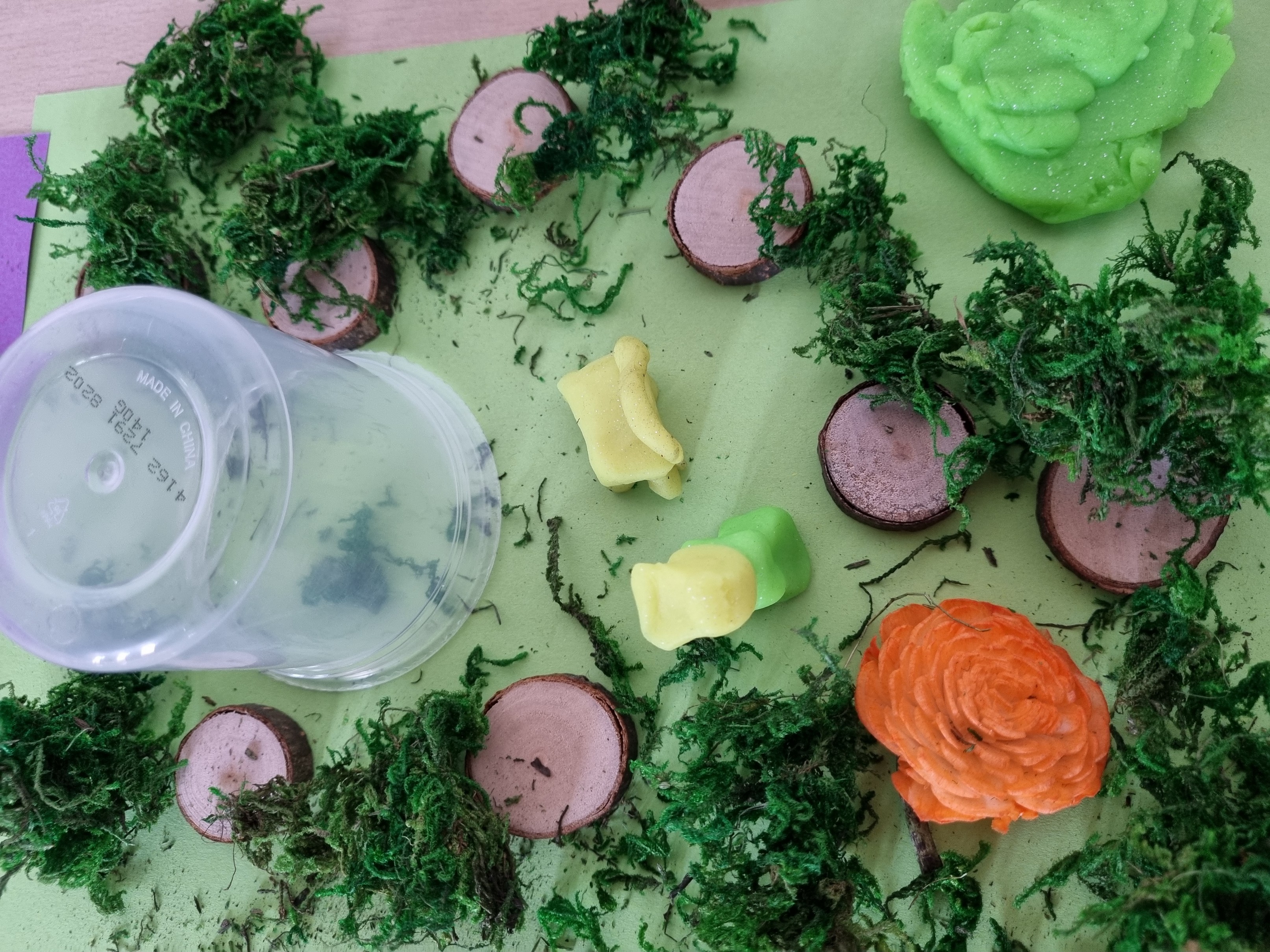
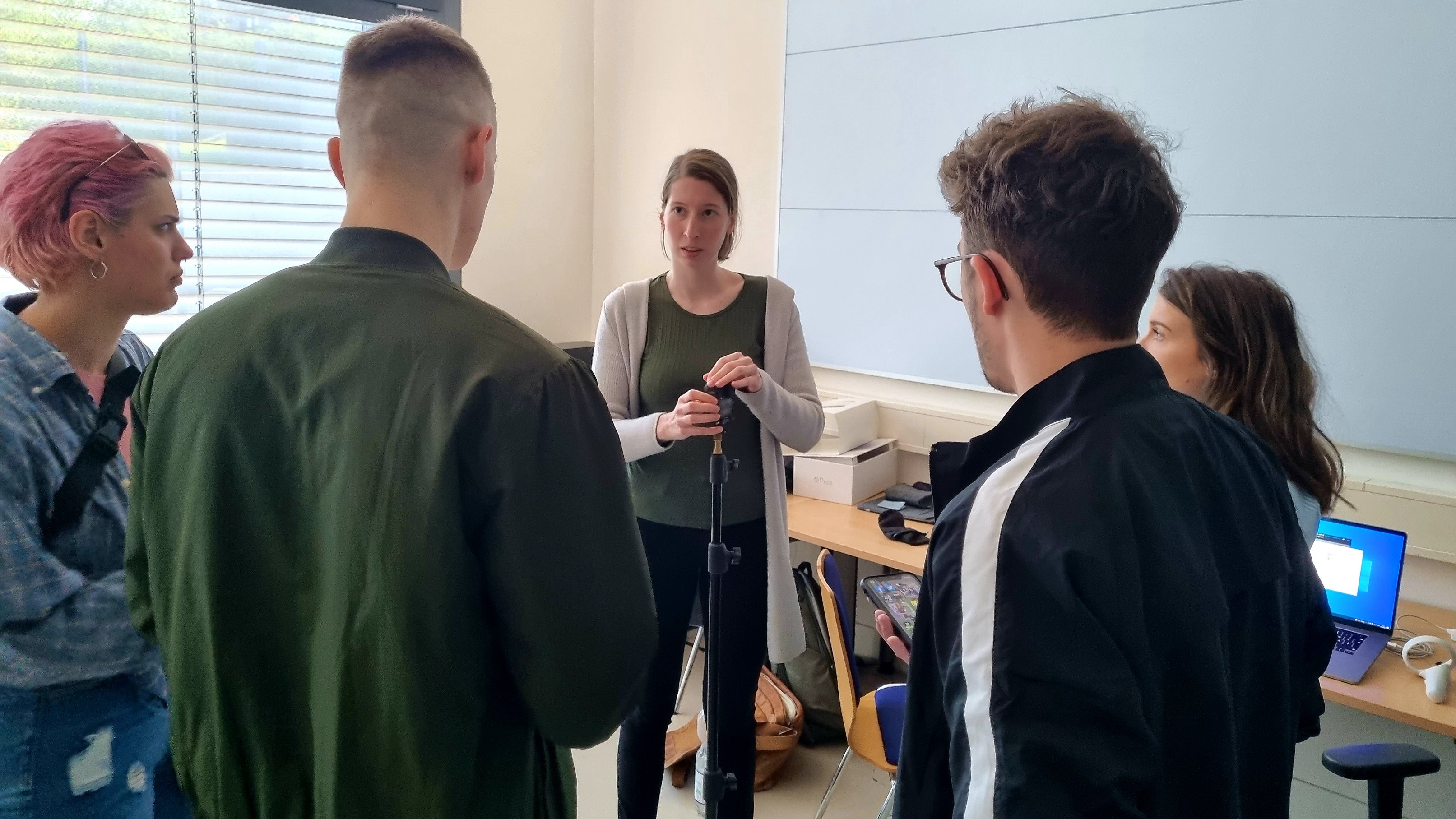
Once the groups had their ideas, Tuesday was fully planned with production and stitching. For that, we had the amazing help from Connie and Max who we would not have been able to do this week without. They supported the students throughout the production process — from camera via stitching via editing all the way to watching their own experiences on VR headsets.

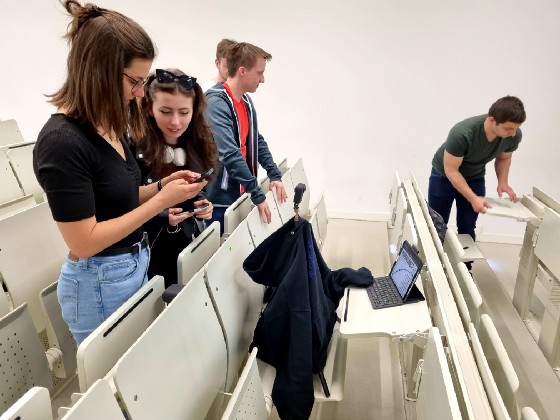
The students worked relentlessly to bring their vision to life. Sometimes, they had to re-shoot some scenes, sometimes, they were content right away. The process of understanding that the camera is the user is always so rewarding for me.
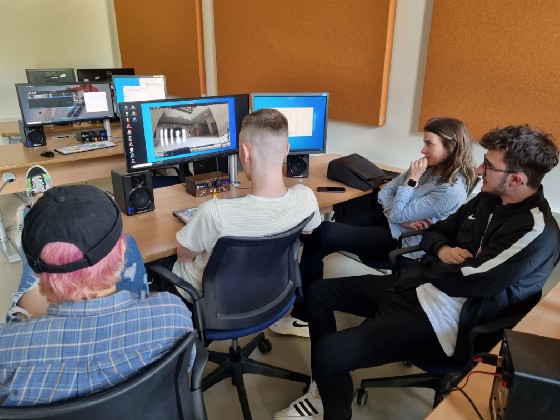
By the end of the week, each group (1) had their own 360º project, each of about 5 minutes long, (2) had watched all the other proejcts (10 in total) and (3) gave/received feedback for the projects.
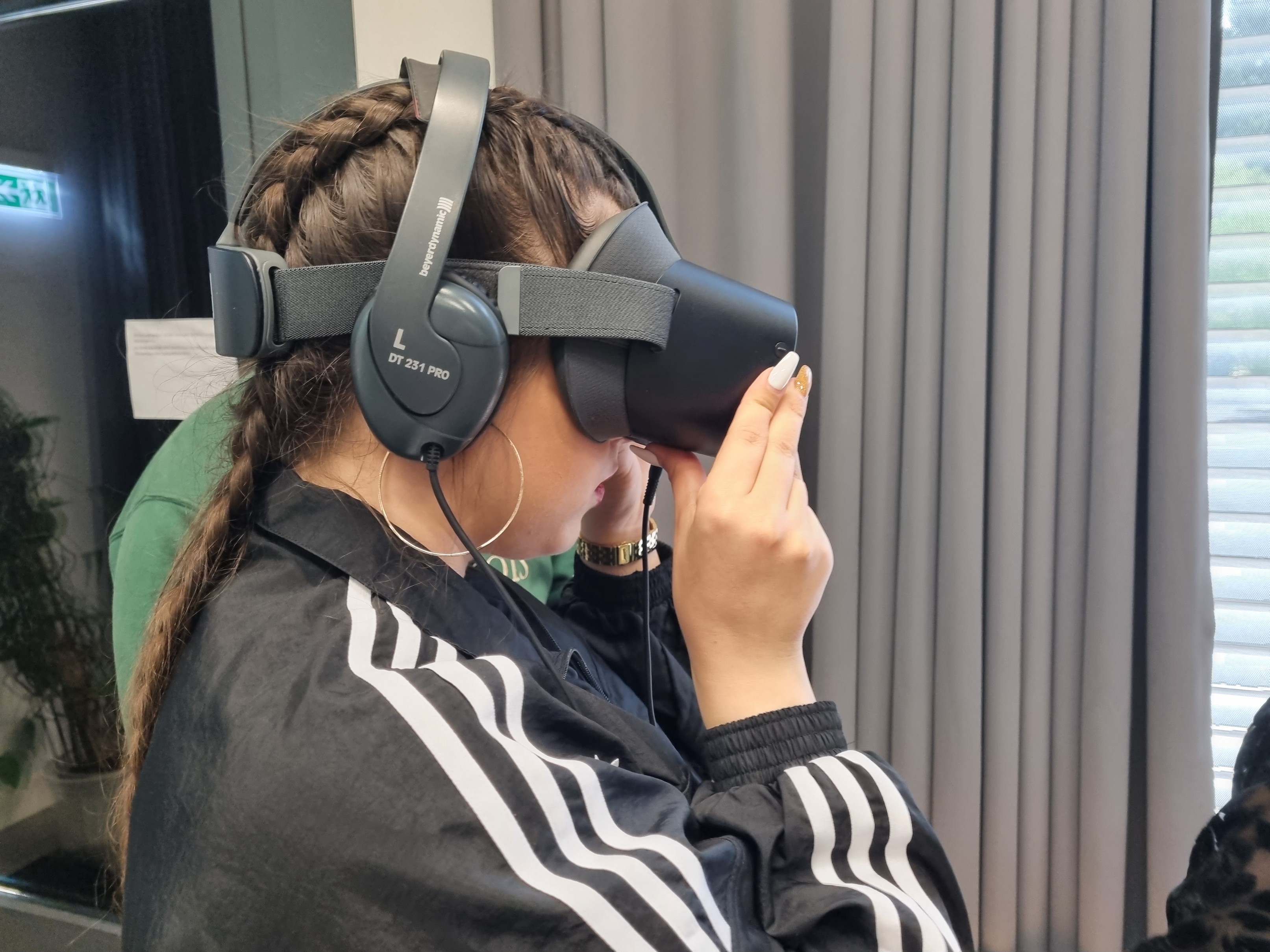
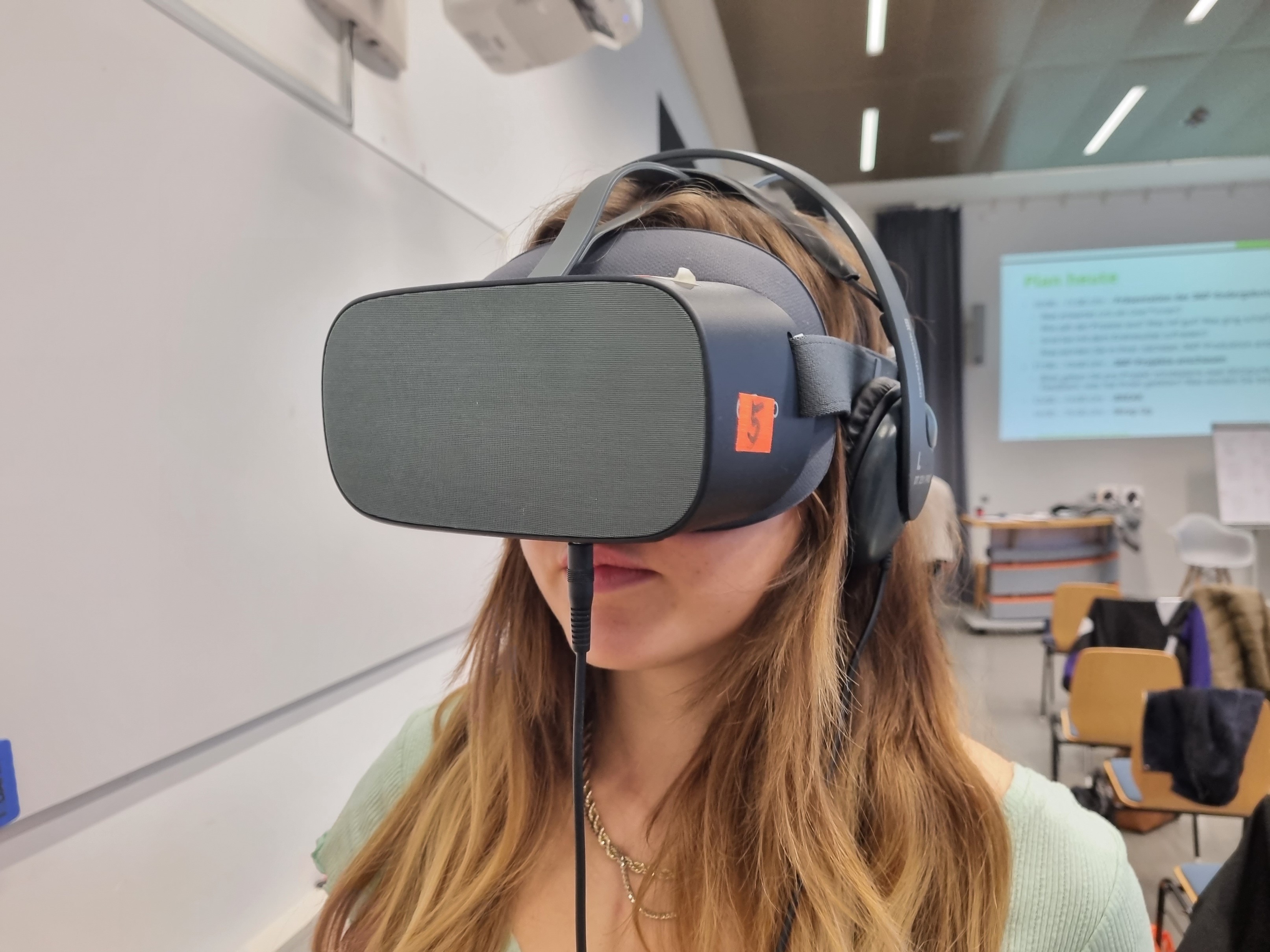
If that wasn’t enough, we had two more highlights going: a field trip to Potsdam and a conference — just for this week. But first things first.
MediaTech Hub Potsdam was kind enough to host us for half a day and connected us to startups working in the immersive ecosystem. Thank you Jody for organizing!
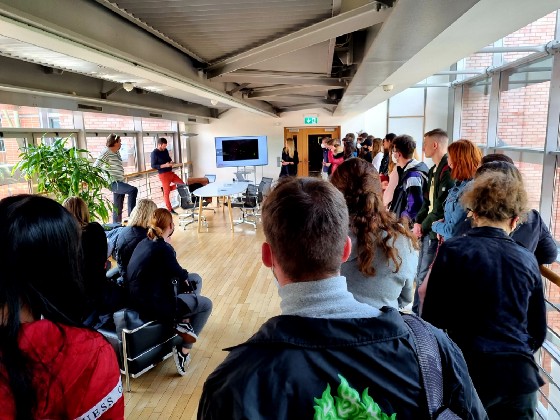
We met up with Nicolas from Froxx Industries — they work on Mixed Reality solutions in industry 4.0.
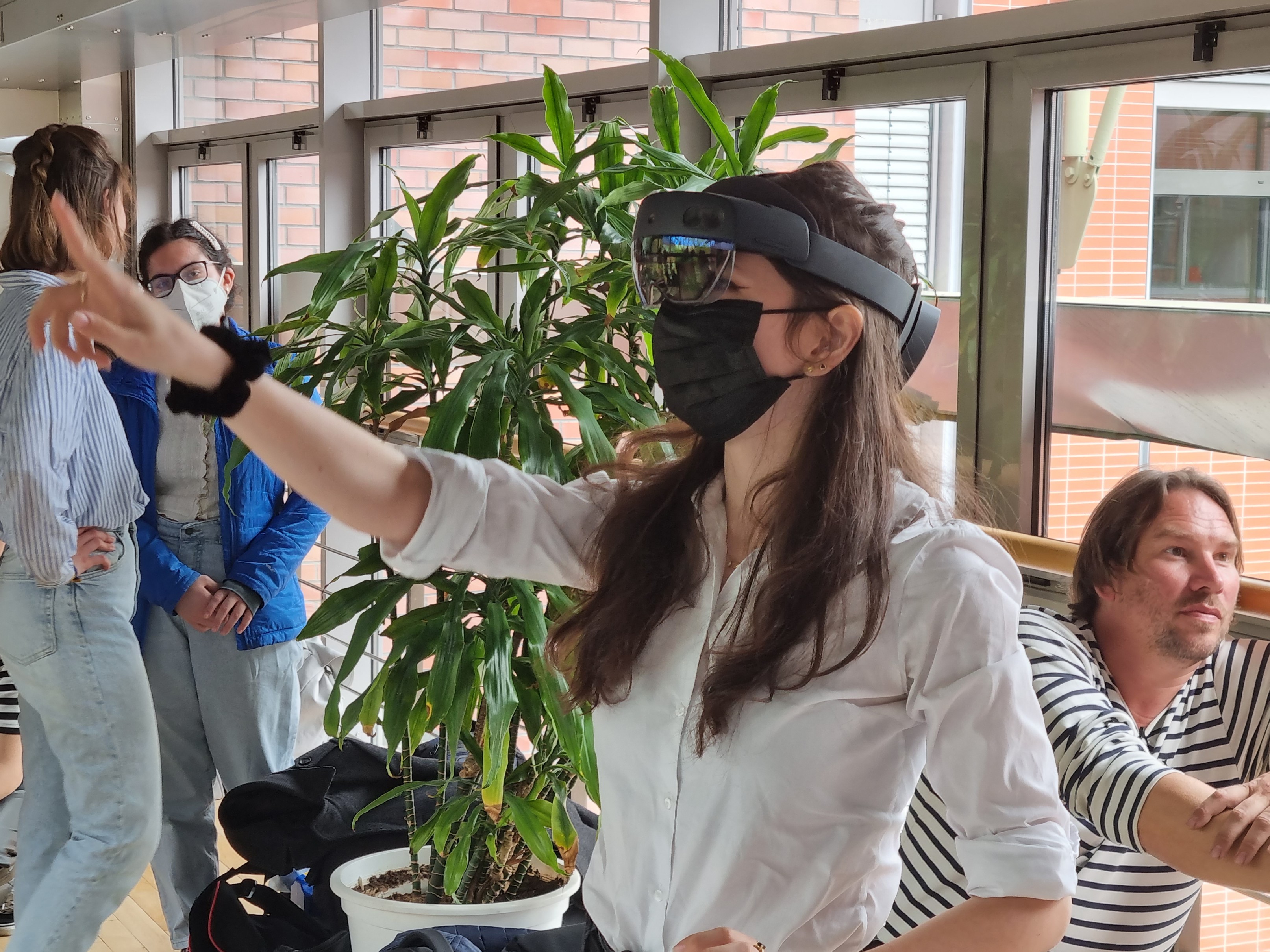
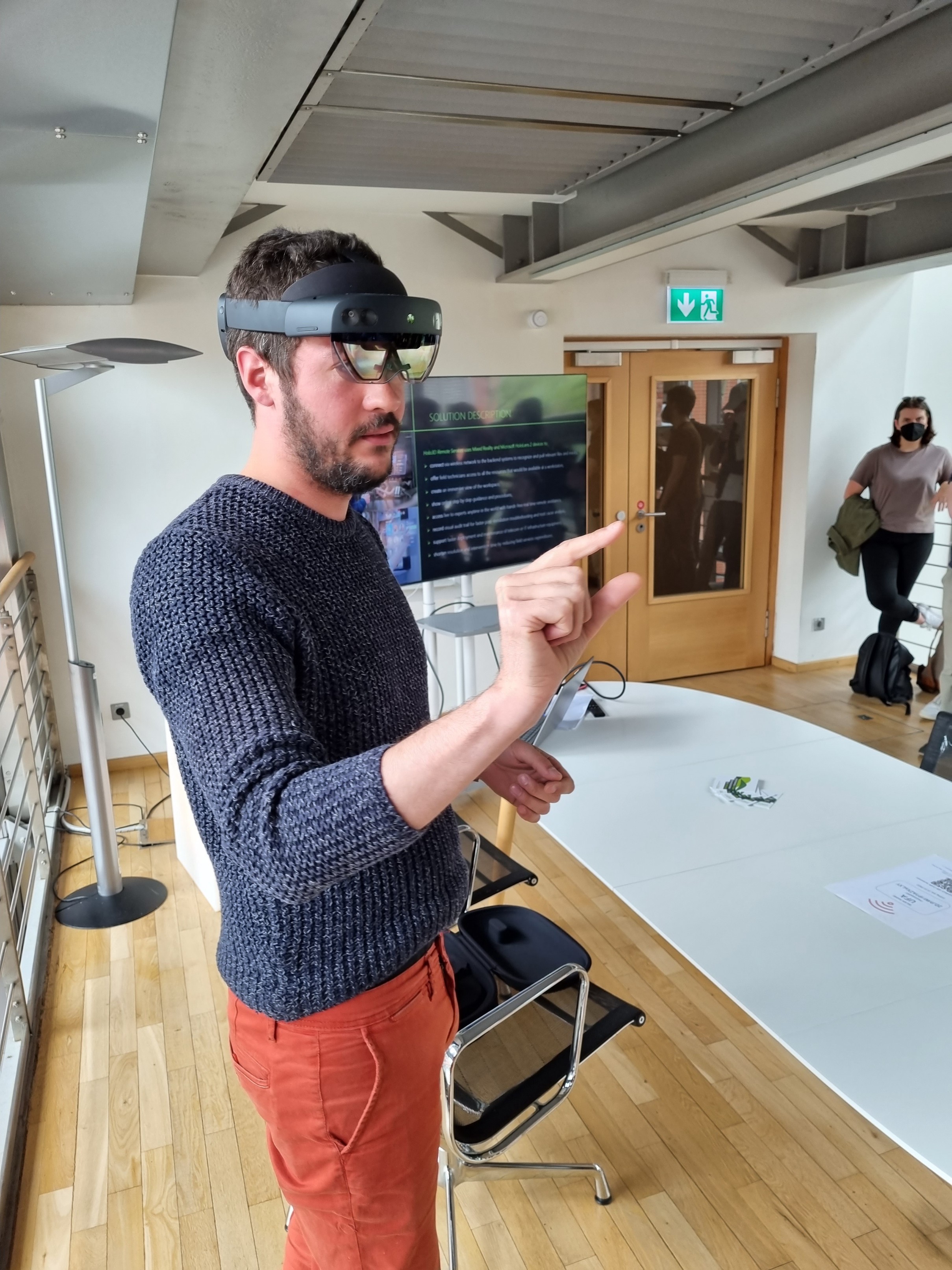
We also went to Feelbelt and got to try out some interesting hardware there.
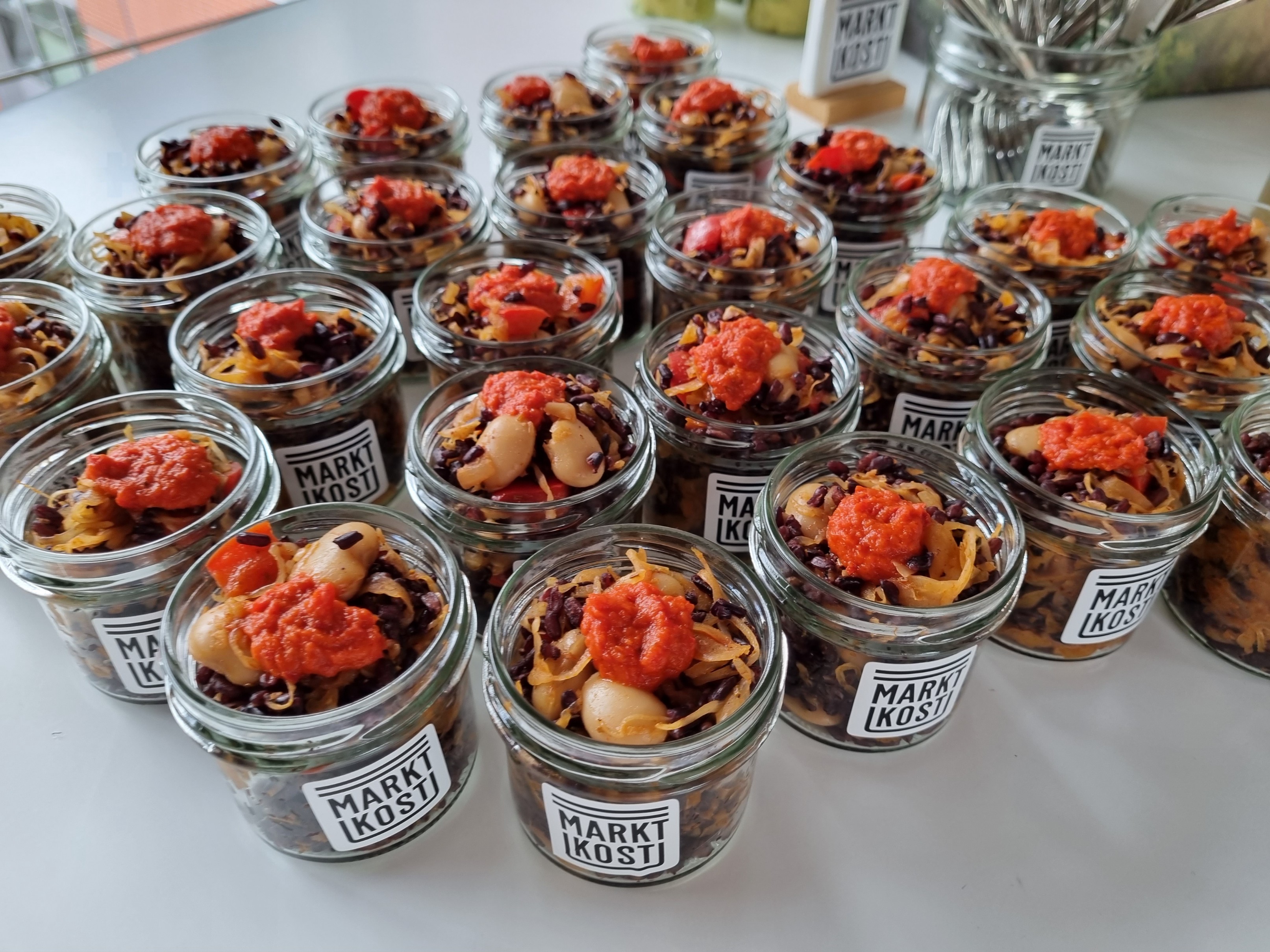
Oh yeah, and there was catering (!) by yet another MediaTech Hub startup Marktkost.

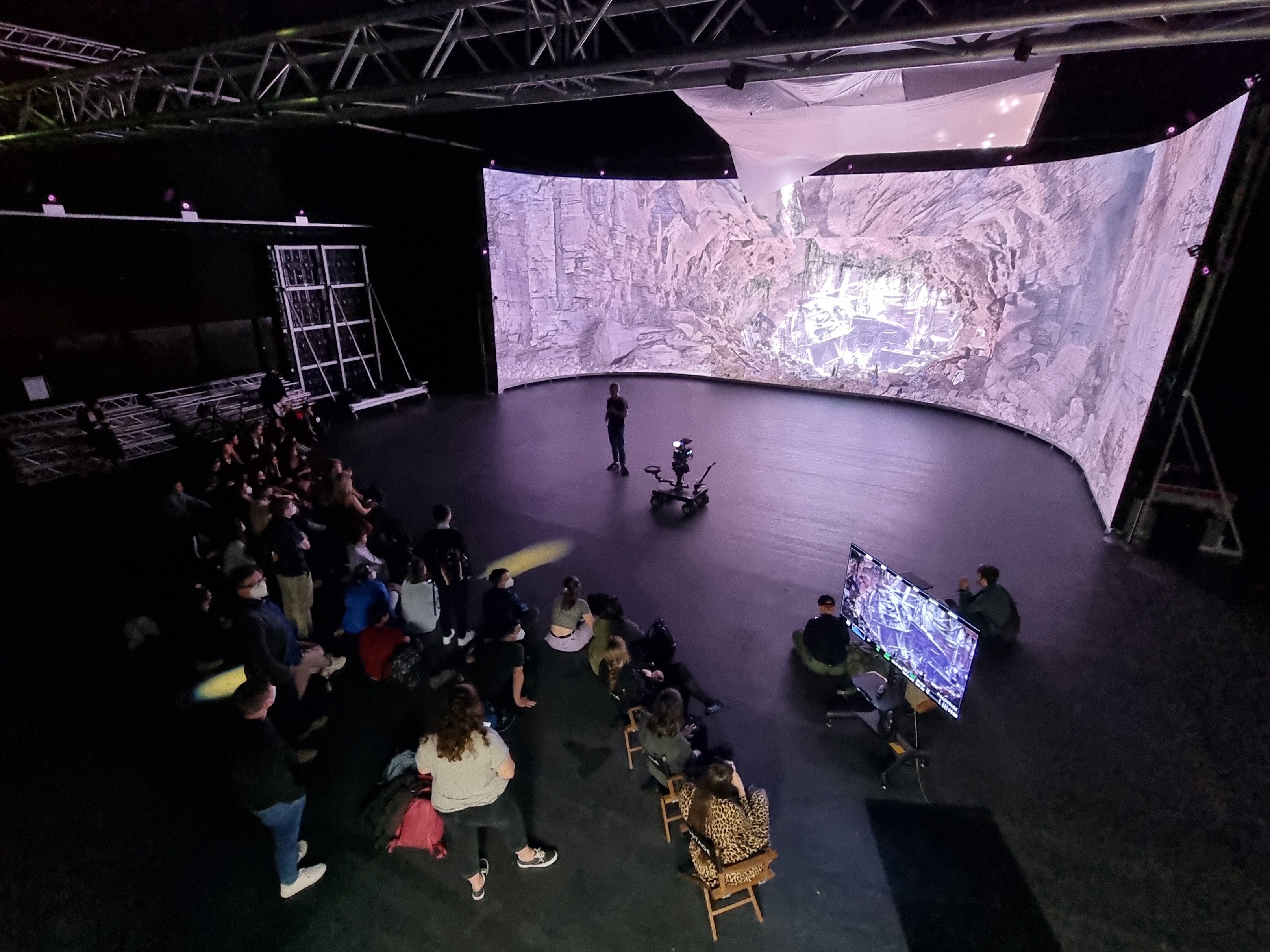
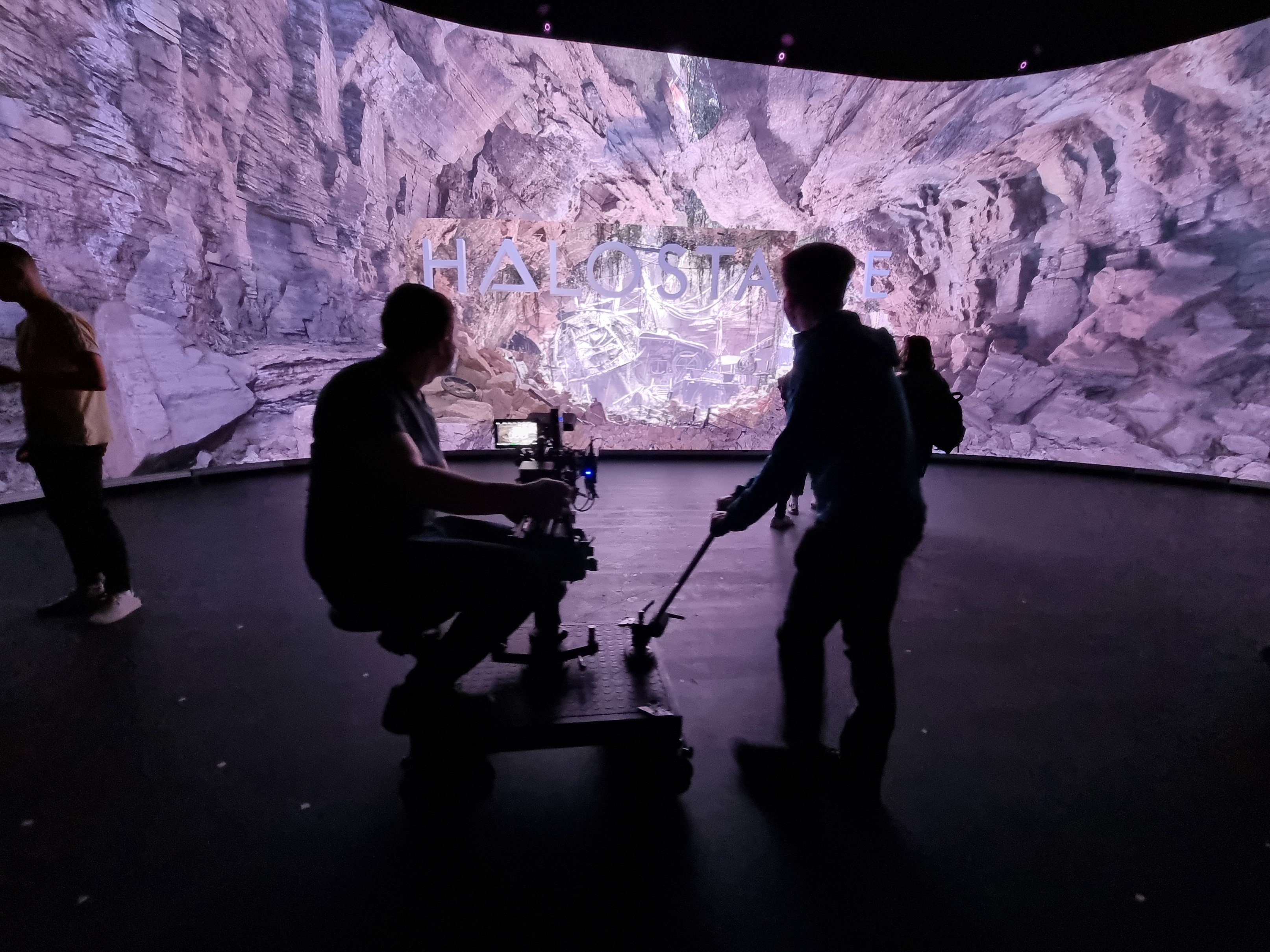
Oh and then we continued our crazy tour with walking over to Volucap and Halostage! Absolute mindblow. I mean endless possibilities in the future of production!
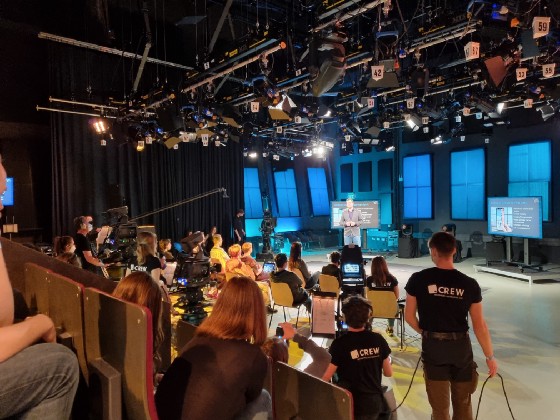
And if that wasn’t enough, HS Mittweida also organized a side-event to Medienforum called Media Tech Space.
We invited three speakers. The incredible Matthew McGinity — it is incredible how far ahead he and his team at TU Dresden are.
We also invited Stephan Gensch from Vragments GmbH (the company I co-founded) — he told us more about recent MR applications.
Last but not least, we invited Rosa von Suess to talk about her research in 360º storytelling
What a week. As I mentioned. I am tired.
 Linda Rath
